


1. Understanding the Basics of Custom Clothing
Before diving into the world of custom clothing, it’s essential to grasp the fundamental concepts that set personalized garments apart from off-the-rack options. Custom clothing is all about tailoring pieces to fit your unique measurements, style preferences, and personality, resulting in a garment that feels truly one-of-a-kind. Unlike mass-produced clothing, which follows standard sizing and generic designs, custom pieces are crafted to complement your body shape and reflect your individual taste.
The process typically begins with selecting the right fabric—whether it’s luxurious silk, breathable cotton, or durable denim—depending on the look and feel you want to achieve. Next, precise measurements are taken to ensure the perfect fit, eliminating common issues like sagging sleeves or tight waists. From there, you can choose every detail, including collar styles, buttons, stitching, and embellishments, allowing for endless personalization.
Understanding these basics not only helps you make informed decisions but also enhances your appreciation for the craftsmanship involved in creating custom clothing. With this foundation, you’re ready to embark on your journey toward a wardrobe that’s truly tailored to you.
2. Choosing the Right Fabrics and Materials
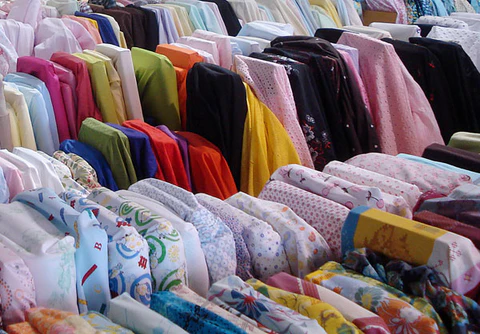
Choosing the right fabrics and materials is a crucial step in creating custom clothing that not only looks great but also feels comfortable and lasts long. When selecting fabrics, consider the purpose of the garment—whether it’s for everyday wear, formal occasions, or active use. Natural fibers like cotton, linen, and wool are breathable and ideal for casual or professional attire, offering comfort and durability. On the other hand, synthetic fabrics such as polyester, nylon, and spandex provide stretch, moisture-wicking properties, and are often used in athletic or performance wear. Blended fabrics combine the best qualities of both natural and synthetic fibers, giving you versatility and ease of care. Additionally, pay attention to the fabric weight and texture; heavier materials like denim or twill work well for structured pieces like jackets, while lighter fabrics such as chiffon or jersey are perfect for flowing dresses or tops. Don’t forget to test how the fabric drapes and moves with your body, as this will influence the overall fit and feel of your custom clothing. By carefully choosing the right materials, you set the foundation for a personalized garment that truly reflects your style and meets your functional needs.
3. Accurate Measurements for the Perfect Fit
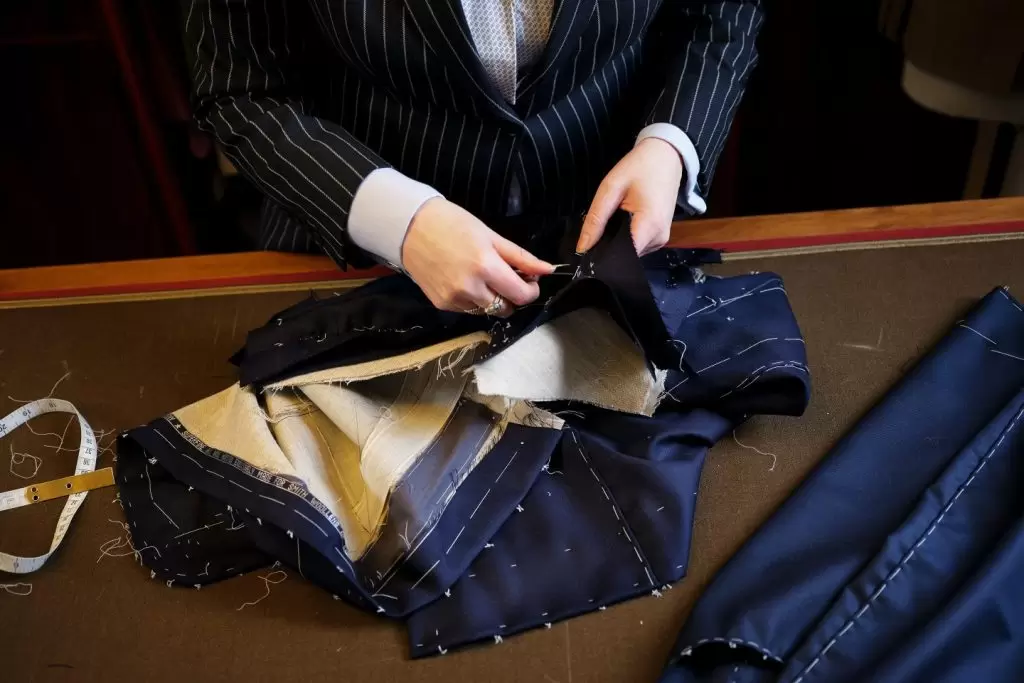
When it comes to creating custom clothing, accurate measurements are the foundation of a flawless fit. Taking precise measurements ensures that your garment not only looks great but also feels comfortable and tailored specifically to your body. To start, use a soft measuring tape and wear form-fitting clothing or measure directly on your skin for the most accurate results. The key measurements to capture include your bust, waist, hips, shoulder width, sleeve length, inseam, and torso length—depending on the type of garment you’re designing.
It’s important to stand straight but relaxed while someone else takes the measurements to avoid any distortions. Take each measurement multiple times to confirm consistency, and jot down the numbers carefully. Remember, even a half-inch difference can impact the fit, so attention to detail is crucial. Additionally, consider any personal preferences, such as a looser fit or extra room for movement, and communicate these when providing your measurements. By investing time and care into this step, you lay the groundwork for a custom piece that complements your unique shape perfectly.
4. Finishing Your Custom Clothing Piece
After carefully selecting your fabric, perfecting your design, and meticulously sewing each seam, the final step is to bring your custom clothing piece to life with thoughtful finishing touches. This phase is where your garment truly transforms from a simple creation into a personalized statement of style. Start by pressing your piece using an iron or steamer to smooth out any wrinkles and set the seams, giving your clothing a polished and professional look. Next, add any embellishments such as buttons, zippers, or decorative stitching that align with your original design vision. Don’t forget to check all hems and edges, reinforcing them as needed to ensure durability and comfort. Finally, give your garment a fitting session to make any last-minute adjustments for the perfect fit. By dedicating time to these finishing details, you not only enhance the appearance of your custom clothing but also create a piece that you’ll be proud to wear and showcase your unique style.
5. Design and Construction Techniques
Creating custom clothing is an exciting journey that blends creativity with craftsmanship. The design and construction phase is where your personalized style truly begins to take shape. Start by selecting the right fabrics that complement your design vision while considering factors like texture, durability, and comfort. Next, create or modify patterns to fit your unique measurements, ensuring a perfect fit tailored specifically to you.
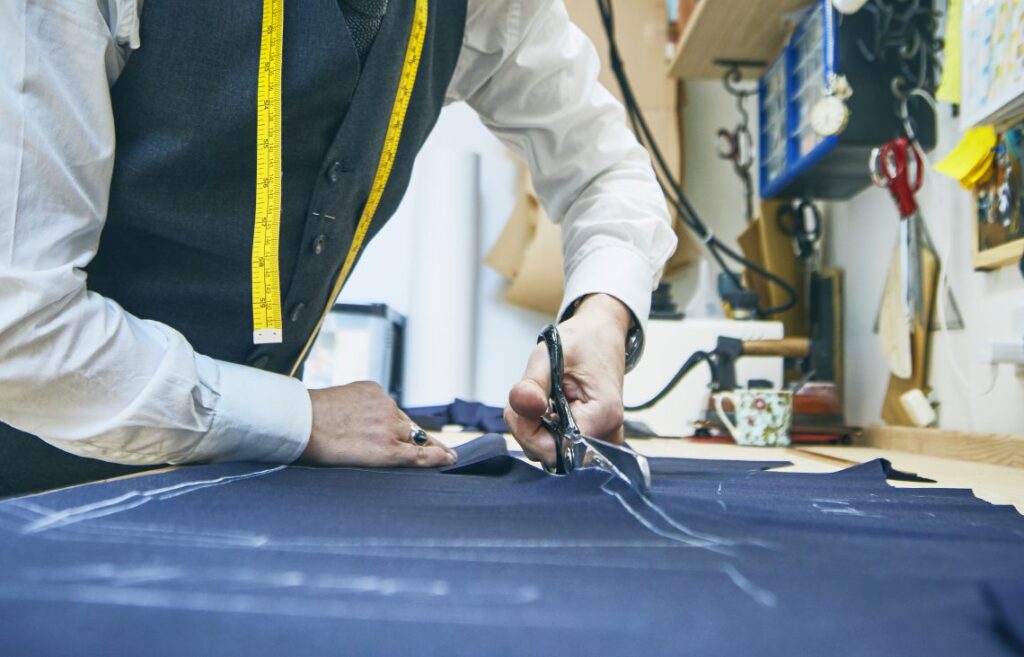
When it comes to construction, mastering fundamental sewing techniques is essential. This includes precise cutting, seam allowances, and stitching methods that not only enhance durability but also contribute to the garment’s overall aesthetic. Pay special attention to details such as darts, pleats, and hems, which add structure and refinement to your custom piece.
Incorporating advanced techniques like interfacing for added support, lining for comfort, and embellishments for personality can elevate your garment from simple to stunning. Whether you’re hand-sewing or using a machine, maintaining consistency and patience throughout the sewing process ensures a polished final product.
By carefully combining thoughtful design with skilled construction, you’ll create custom clothing that not only fits impeccably but also reflects your individual style and creativity.
6. Finishing Touches and Personalization
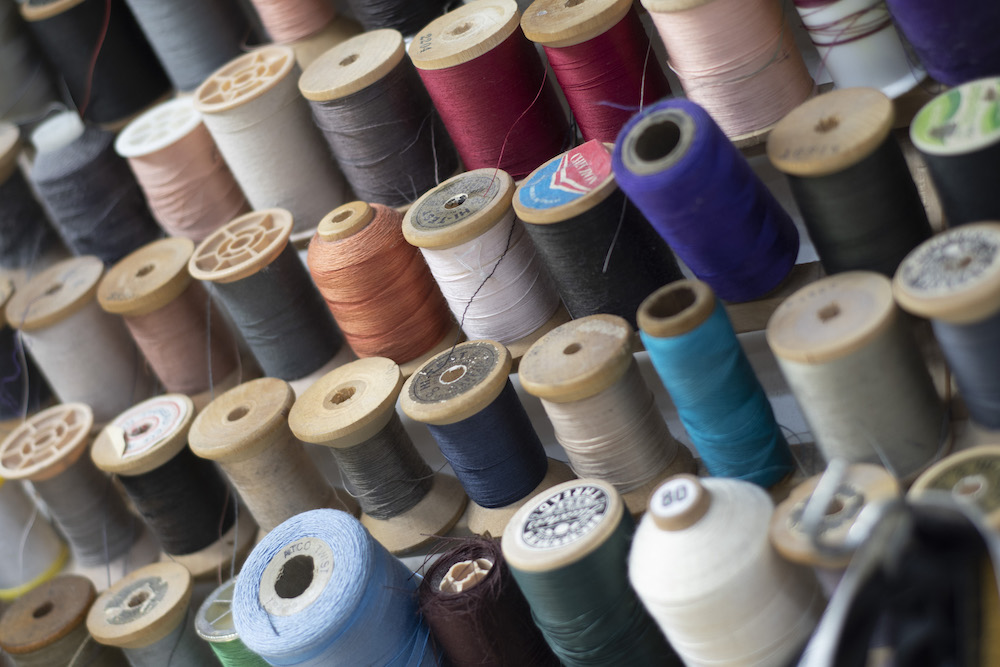
Once you’ve assembled your custom clothing piece, it’s time to focus on the finishing touches and personalization that truly make it one-of-a-kind. This stage is where your creativity can shine, allowing you to add unique details that reflect your personal style. Start by carefully inspecting the garment for any loose threads or uneven seams, and make sure to press or steam it for a polished, professional look. Next, consider embellishments such as embroidery, patches, or fabric paint to incorporate patterns, initials, or meaningful symbols. Adding custom buttons, decorative trims, or unique zippers can also elevate the piece and give it added character. Don’t forget the power of accessories like pins or appliques, which can be swapped out to keep your clothing fresh and versatile. By focusing on these personalized finishing touches, you transform a simple garment into a signature item that’s uniquely yours, perfectly blending style and individuality.

By Omari Choyce